
A guide to the miscellaneous long-term investment assets on the balance sheet that fall outside of standard categories.
You only have to be able to evaluate companies within your circle of competence. The size of that circle is not very important; knowing its boundaries, however, is vital.
“Other Investments” is a label that some companies use on their balance sheets to categorize investment assets that don’t fit into the main investment categories like cash equivalents, marketable securities, or strategic long-term holdings. In simple terms, these are miscellaneous investments the company has made, often outside its core operations, which are expected to provide financial returns in the future. They typically represent assets the company intends to hold for more than one year and are not part of day-to-day cash management. In other words, other investments are usually non-current (long-term) assets.
What’s Included in Other Investments?
This category can include a wide range of asset types that don’t fit into more specific lines. Common examples include:
- Equity Stakes in Other Businesses: Minority investments in other companies, either public or private, that are not consolidated subsidiaries.
- Debt Investments: Long-term bond holdings or notes receivable that the company intends to hold for an extended period.
- Cash Surrender Value of Life Insurance: The accumulated investment value in life insurance policies owned by the company, often to insure key employees.
- Real Estate Held for Investment: Property or land owned by the company but not used in its operations, held instead for appreciation or rental income.
- Investments in Partnerships or Joint Ventures: Interests in limited partnerships or similar entities.
- Alternative Assets: Other financial assets like cryptocurrencies, digital assets, or commodities held for investment purposes.
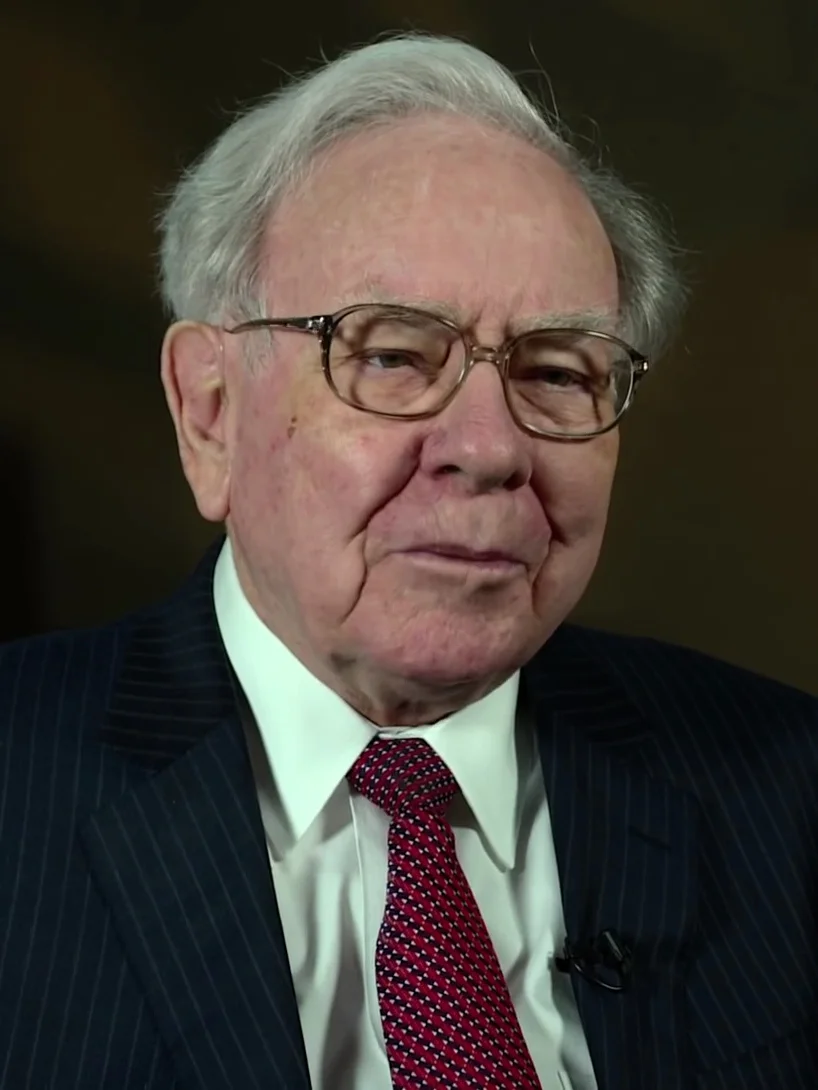
“You only have to be able to evaluate companies within your circle of competence. The size of that circle is not very important; knowing its boundaries, however, is vital.”
— Warren Buffett, Chairman & CEO, Berkshire Hathaway Berkshire Hathaway Chairman’s Letter 1996 (1996)
Key Differences from Other Investment Types
The primary distinction between ‘Other Investments’ and other investment categories lies in liquidity, time horizon, and purpose.
Other Investments vs. Marketable Securities
Marketable Securities are highly liquid, short-term investments (like Treasury bills or trading stocks) classified as current assets because they are intended to be sold within a year. In contrast, Other Investments are generally illiquid, held for the long term, and classified as non-current assets.
Furthermore, ‘Other Investments’ serves as a “catch-all” category. If an investment isn’t a cash equivalent, a short-term marketable security, or a major strategic holding (like a subsidiary) that warrants its own line item, it often gets grouped here. This differs from a more homogenous portfolio of, for example, trading securities which would be listed under current assets.
Balance Sheet Presentation and Real-World Examples
Because companies intend to hold these investments for the long haul, they are typically listed under non-current assets on the balance sheet. The exact naming and presentation can vary, but it will always be in the long-term section.
UPS and Liberty Mutual
- United Parcel Service (UPS): In its annual report, UPS disclosed an “other investment” in a variable life insurance policy used to fund a benefit plan, valued at around 23 million. Since this was not a marketable security or a subsidiary stake, it was classified here.
- Liberty Mutual Insurance: The company’s financial notes explain that ‘Other Investments’ include private equity investments and limited partnership interests. These are assets held for investment returns outside of its core insurance operations.
Check the Footnotes
The best way to understand what a company includes in ‘Other Investments’ is to check the notes to the financial statements. Companies are required to provide details if the amount is material, giving investors clarity on these miscellaneous assets.

Q · 01 What is Other Investments? +