Sale of PPE is a financial concept covered in this article. Cash Proceeds from Disposing of Property, Plant, and Equipment
Should you find yourself in a chronically-leaking boat, energy devoted to changing vessels is likely to be more productive than energy devoted to patching leaks.

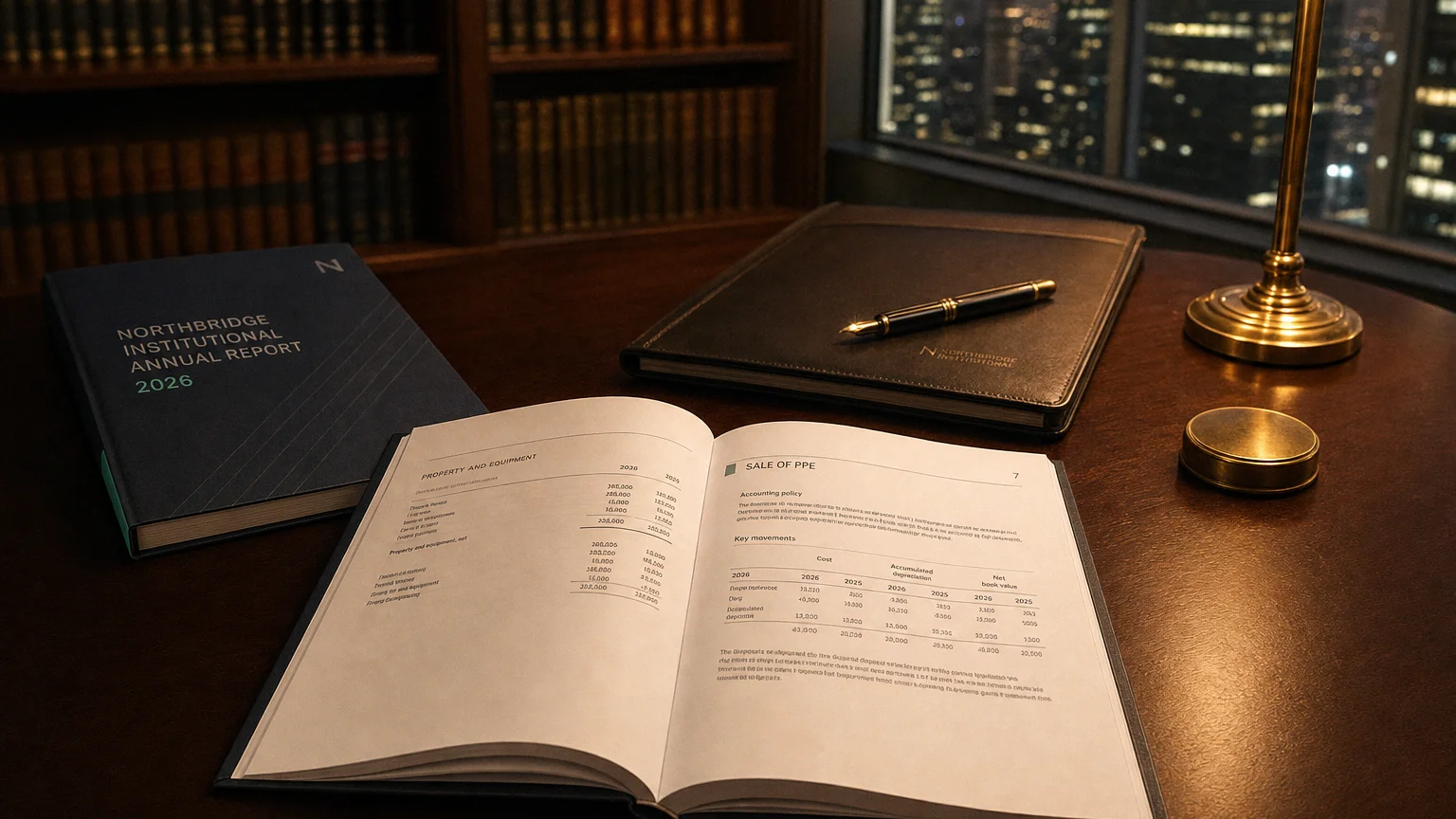
Sale of PPE (Property, Plant, and Equipment) is the cash inflow a company receives when it sells tangible fixed assets such as land, buildings, machinery, vehicles, or equipment. This line appears in the investing section of the cash flow statement and reflects the monetization of long-term operational assets, often as part of asset optimization, facility closures, or upgrades.
What Sale of PPE Really Means
When a company sells PPE, it’s turning physical assets back into cash. These aren’t inventory flips—they’re long-lived operational tools being retired, replaced, or deemed surplus.
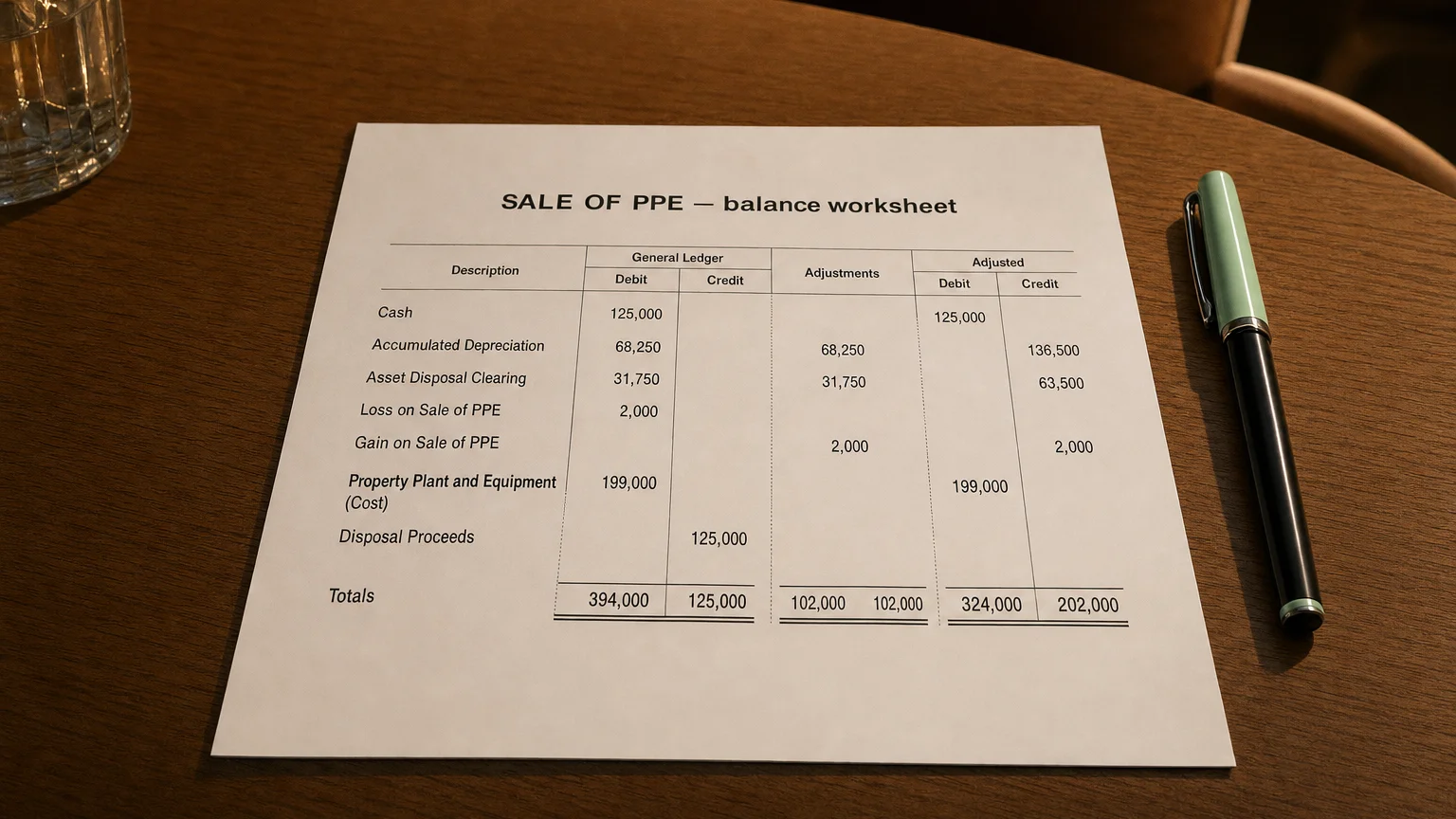
The proceeds show up as an investing inflow, while any gain (proceeds > book value) or loss hits the income statement.
Book value = Original cost − Accumulated depreciation.
“Should you find yourself in a chronically-leaking boat, energy devoted to changing vessels is likely to be more productive than energy devoted to patching leaks.”
— Warren Buffett, Chairman & CEO, Berkshire Hathaway Berkshire Hathaway Chairman’s Letter 1985 (1985)
Real-World Examples That Make It Click
Picture these common situations:
- A retailer closes 50 underperforming stores → sells the buildings/leasehold improvements for $200M cash.
- An oil company divests old rigs in a mature field → $500M proceeds from equipment sale.
- A manufacturer upgrades production lines → sells outdated machinery for $80M.
- A utility sells excess land held for future expansion → $150M inflow.
- An airline retires older planes → proceeds from aircraft sales.
These moves free up capital tied in physical assets.
Common Strategic Drivers
- Facility consolidation or footprint reduction
- Upgrade to newer, efficient equipment
- Exit low-return or non-core operations
- Raise cash without borrowing
- Portfolio optimization (sell underutilized assets)
- Response to changing demand or technology
How the Cash Flow and P&L Work
The mechanics:
- Cash received from buyer (possibly net of costs)
- Inflow in investing activities
- Gain = Proceeds − Net book value → income statement
- Loss = Book value > Proceeds → expense
Example: Sell machine with 6M depreciation (7M cash → +3M gain.
Presentation in Statements
Cash flow statement (investing section):
- ‘Sale of PPE’
- ‘Proceeds from Sale of Property, Plant and Equipment’
- Often netted with purchases for ‘Net PPE Purchase and Sale’
Income statement: Gain/loss on disposal (usually ‘Other income/expense’).
Balance sheet: Reduces Gross PPE and Accumulated Depreciation.
What It Signals
- Asset optimization or restructuring
- Cash generation from non-core items
- Potential upgrade cycle (sell old, buy new)
- Operational footprint changes
- One-time boost to cash and earnings
Frequent large sales may indicate shrinking operations or distress.
Q · 01 What is Sale Of Ppe? +