
Goodwill and Other Intangible Assets is a financial concept covered in this article. Acquired Intangibles and Excess Purchase Price in Business Combinations
Should you find yourself in a chronically-leaking boat, energy devoted to changing vessels is likely to be more productive than energy devoted to patching leaks.
Goodwill and Other Intangible Assets is a non-current asset category that combines goodwill (the excess of purchase price over fair value of net identifiable assets in a business acquisition) with separately identifiable intangible assets acquired in the same or other transactions. These assets lack physical substance but provide future economic benefits through rights, relationships, or competitive advantages.
Breakdown of the Category
This line item aggregates two distinct components:
Goodwill
- Arises only in business combinations
- Purchase price > fair value of net identifiable assets
- Represents synergies, workforce, future growth
Other Intangible Assets
- Separately identifiable (contractual or separable)
- Finite life: Customer relationships, patents, trademarks, technology
- Indefinite life: Certain trademarks/brands (not amortized)
Internally developed intangibles are generally expensed (except certain software costs).
Common Types of Other Intangible Assets
- Customer lists/relationships/contracts
- Patents, copyrights, and technology
- Trademarks, trade names, brands
- Licenses and franchises
- Non-compete agreements
- Order backlog
- Developed software (acquired or certain capitalized)
Useful lives range from 2-20+ years for finite assets.
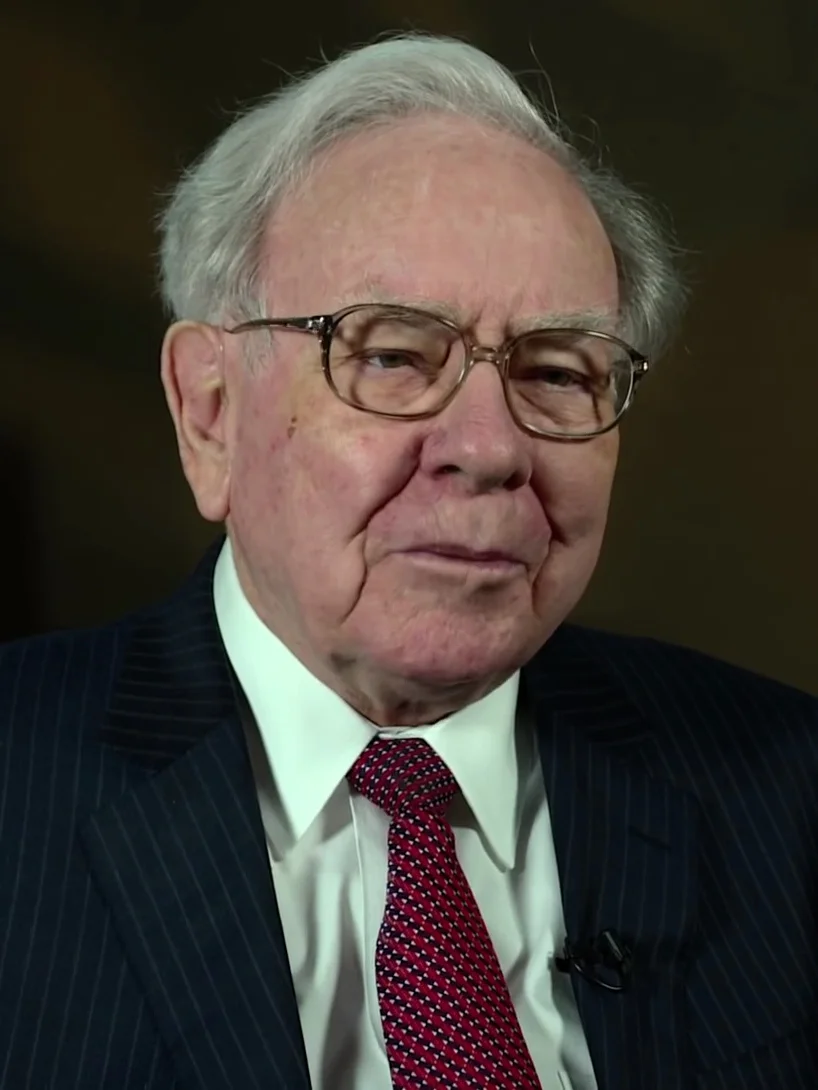
“Should you find yourself in a chronically-leaking boat, energy devoted to changing vessels is likely to be more productive than energy devoted to patching leaks.”
— Warren Buffett, Chairman & CEO, Berkshire Hathaway Berkshire Hathaway Chairman’s Letter 1985 (1985)
Accounting Treatment
Key differences:
Goodwill
- Indefinite useful life
- Not amortized
- Annual impairment test (or when triggers exist)
- Quantitative test: Compare carrying value to fair value of reporting unit
Finite-Life Intangibles
- Amortized systematically (usually straight-line)
- Residual value typically zero
- Impairment if carrying > recoverable amount
Indefinite-Life (non-goodwill)
- No amortization
- Annual impairment test
Impairment losses on goodwill are never reversed (US GAAP/IFRS).
Balance Sheet Presentation
Under non-current assets as:
- ‘Goodwill and Other Intangible Assets’
- Often split: ‘Goodwill’ and ‘Other Intangible Assets, net’
- Gross amount less accumulated amortization (for finite)
- Goodwill shown at cost less accumulated impairments
Footnotes detail major classes, amortization periods, and impairment testing.
Why Companies Have These Assets
- Growth through acquisitions (primary source of goodwill)
- Purchase of brands, technology, or customer bases
- Strategic M&A for market share or capabilities
- Synergies and going-concern value in combinations
Analytical Implications
This category affects analysis by:
- Increasing asset base (often major in tech/media/pharma)
- Amortization expense reduces earnings (finite intangibles)
- Impairment risk signals overpayment or underperformance
- Goodwill intensity indicates acquisition-driven growth
- Net tangible assets = Total assets minus goodwill/intangibles/liabilities
High goodwill relative to market cap can indicate overvaluation or impairment risk.