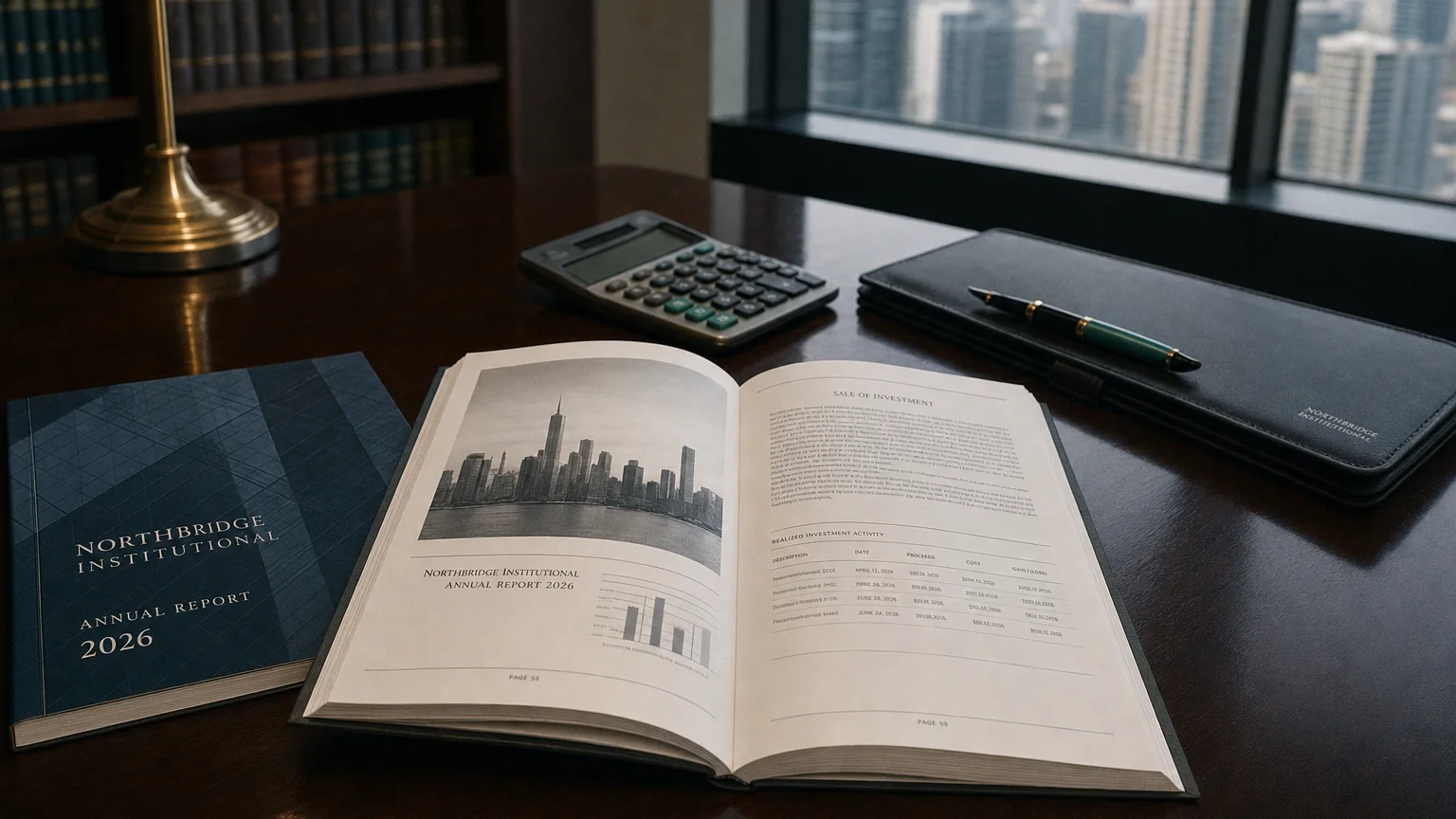
A key investing activity representing the cash proceeds a company receives from selling its financial investments, such as stocks, bonds, or non-core business a
If we avoid the losers, the winners will take care of themselves.
Sale of investments refers to the cash proceeds a company receives from selling off its investment assets. On a cash flow statement, this term typically appears in the Investing Activities section and represents money coming into the company from the disposal of investments. For example, if a company sells shares it owned in another business or liquidates a bond portfolio, the cash received would be reported as a sale of investment. This line item shows stakeholders how much cash the company generated by divesting some of its investments during the reporting period.
Reporting and Types of Investments
The sale of an investment is always recorded as a cash inflow in the Investing Activities section of the cash flow statement. This section is dedicated to cash flows from buying or selling long-term assets and other investments. A sale is typically labeled ‘Proceeds from sale of investments’ or ‘Sale of marketable securities’ and is recorded as a positive number.
Types of Investments Included
- Equity Securities: Stocks or ownership stakes in other companies.
- Debt Securities: Corporate or government bonds that the company had invested in.
- Real Estate Holdings: Property or land owned for investment purposes, not for core operations.
- Other Financial Investments: Stakes in joint ventures, mutual funds, or other financial instruments.
- Intangible Assets: In some cases, the sale of an intangible asset like a patent or license held as an investment.
“If we avoid the losers, the winners will take care of themselves.”
— Howard Marks, Co-Chairman, Oaktree Capital Management Oaktree Memo: ‘The Most Important Thing’ (2003)
Strategic Reasons for Selling Investments
Companies sell investments for various strategic and practical reasons, ranging from routine management to urgent cash needs.
- To Raise Cash and Improve Liquidity: This is a primary motive. Selling an investment provides immediate cash that can be used to fund projects, pay down debt, or cover operating shortfalls.
- To Reinvest in Better Opportunities: A company might sell a low-performing investment to reallocate the capital into a new project or asset with higher potential returns.
- Strategic Refocusing: Companies often sell investments in non-core assets or businesses to streamline operations and concentrate resources on their primary activities.
- Investment Maturity or Target Reached: An investment may be sold simply because it has reached its maturity date (like a bond) or has achieved a predetermined profit target.
- Financial Distress: In less favorable circumstances, a company might be forced to liquidate investments to generate emergency cash to survive a downturn or fund restructuring efforts.
How to Interpret a Significant Sale of Investments
A large cash inflow from the sale of investments requires careful interpretation, as the motivation behind the sale is key.
Context is King
The key question an analyst must ask is: Was the investment sold from a position of strength (e.g., to reallocate capital strategically) or a position of weakness (e.g., to cover operating losses)?
1. Normal Portfolio Management: For companies that actively manage a portfolio of marketable securities, selling investments is a routine activity to realize gains or rebalance holdings. This is generally not a cause for concern. 2. One-Time Strategic Divestiture: A large, one-time sale may signal a strategic shift, such as exiting a non-core business. This can be positive if it unlocks value and allows the company to focus, but it is a non-recurring source of cash. 3. A Warning Sign: If a company has weak or negative operating cash flow but shows a large inflow from selling investments, it could be a red flag. This may imply the company is liquidating assets to fund its day-to-day operations, which is an unsustainable practice.
Real-World Example: Apple Inc.
Apple Inc. manages a vast portfolio of marketable securities. In its 2023 fiscal year, its cash flow statement showed a line item for ‘Proceeds from sales of marketable securities’ of approximately $5.83 billion. This represents a significant cash inflow from actively selling some of its investments. This was part of a larger strategy that also included receiving cash from maturing securities and purchasing new ones. For a company like Apple, such transactions reflect active and routine management of its enormous cash reserves, not a sign of distress.

Q · 01 What is Sale Of Investment? +