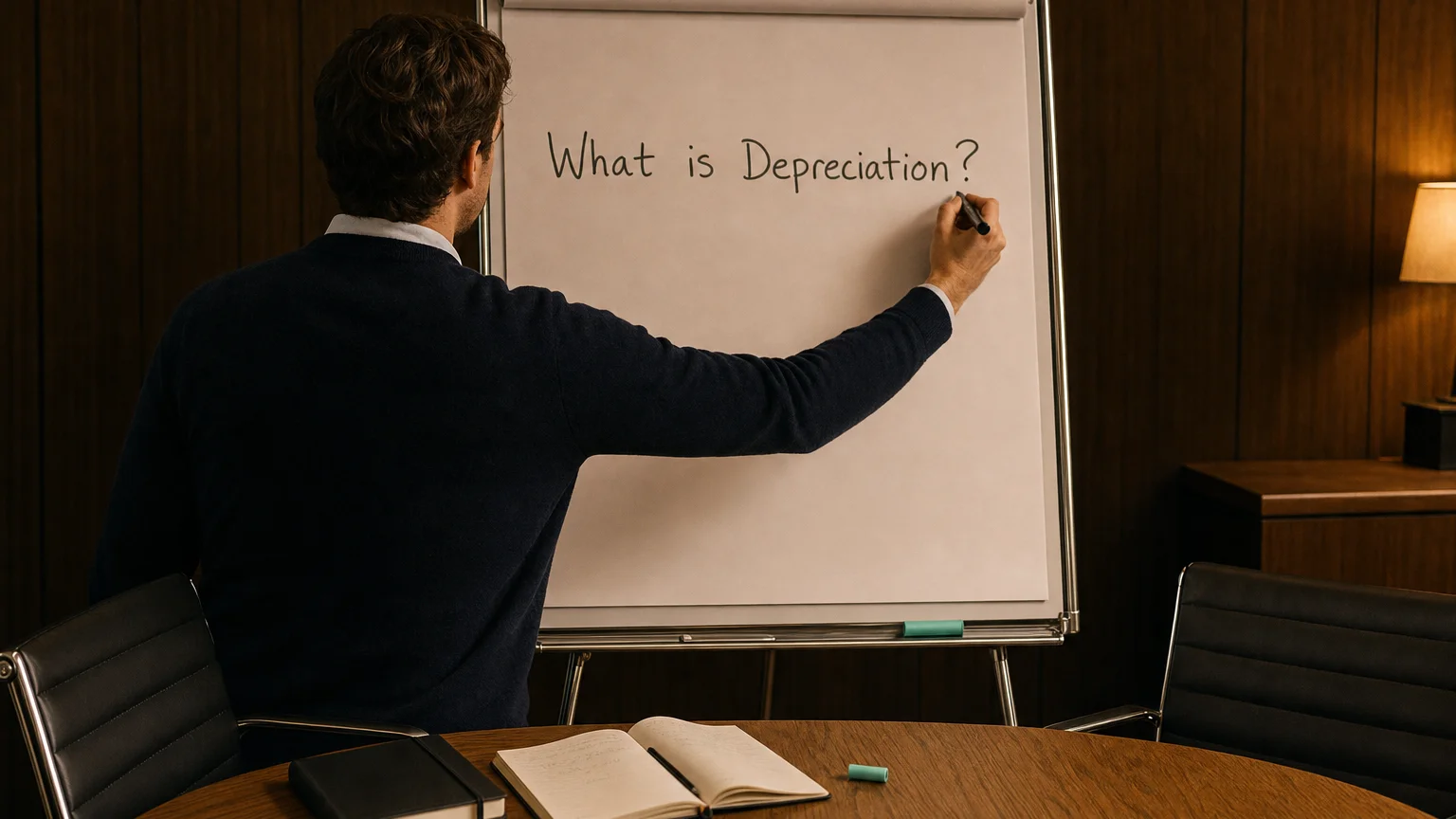
is a financial concept covered in this article. Non-Cash Expense Allocating Cost of Tangible Fixed Assets
When a management with a reputation for brilliance tackles a business with a reputation for poor fundamental economics, it is the reputation of the business that remains intact.
Depreciation is the systematic allocation of the cost of tangible long-lived assets (property, plant, and equipment or PP&E) over their estimated useful lives. It represents the gradual expensing of an asset’s cost as it is ‘used up’ in generating revenue, reflecting wear and tear, obsolescence, or passage of time. Depreciation is a non-cash expense that reduces reported profit but is added back in operating cash flow.
Why Depreciation Exists
When you buy a long-lived asset like a delivery truck or factory machine, the cash goes out upfront, but the benefit lasts many years.
Depreciation spreads that cost over the asset’s useful life, matching the expense to the revenue it helps generate—core matching principle.
Without it, profit would be overstated in early years and understated later.
A Simple Example
Company buys a $100,000 machine expected to last 10 years (straight-line, no salvage).
- Annual depreciation: $10,000
- Year 1: 10k, but no cash out this year
- Cash flow: +$10k add-back (non-cash)
- After 10 years: Machine book value $0
The $100k cash hit was in year 0; depreciation just allocates it.
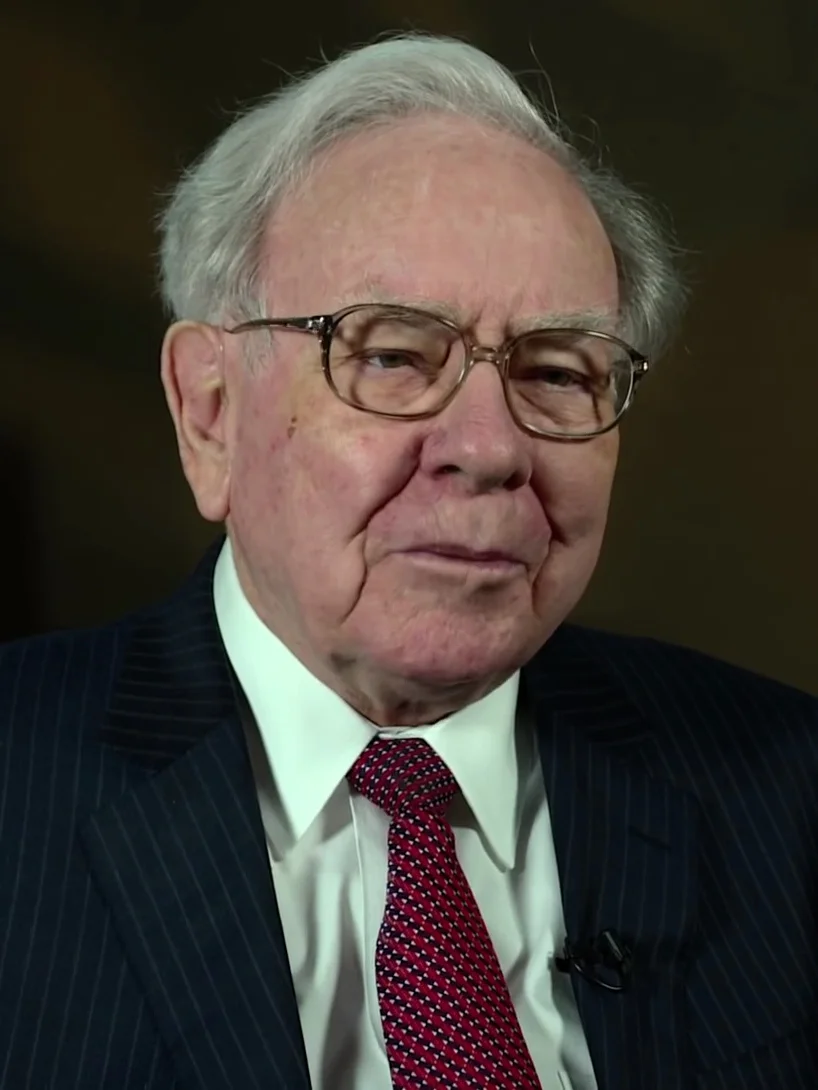
“When a management with a reputation for brilliance tackles a business with a reputation for poor fundamental economics, it is the reputation of the business that remains intact.”
— Warren Buffett, Chairman & CEO, Berkshire Hathaway Berkshire Hathaway Chairman’s Letter 1985 (1985)
Common Depreciation Methods
Straight-Line
- Even amount each year
- Most common—simple and predictable
Declining Balance
- Higher early years (accelerated)
- Matches faster early wear
Units of Production
- Based on usage (miles, hours, units made)
- Best for variable wear
Where It Shows Up
- Income statement: Operating expenses or COGS
- Cash flow: Non-cash add-back in operating activities
- Balance sheet: Accumulated Depreciation (contra-asset)
- Net PP&E = Gross − Accumulated Depreciation
Often grouped with amortization in ‘D&A’.
What Assets Get Depreciated
- Buildings (structure only)
- Machinery and equipment
- Vehicles
- Furniture and fixtures
- Leasehold improvements
Land: never depreciated (infinite life).
What to Watch For
- Trend vs. capex (higher than capex = shrinking asset base)
- Useful life assumptions (longer = lower expense)
- Method choice (accelerated = front-loaded expense)
- Add-back size (boosts OCF)
- Industry comparison (capital-intensive higher)
Depreciation > capex long-term signals underinvestment.